

Insurance for electric and hybrid cars often includes specialized coverage reflecting their unique technology. Premiums may differ from conventional vehicles due to the cars’ value and repair costs.
With the automotive world shifting towards electric (EV) and hybrid vehicles, insurers have adapted their policies to cater to the nuances of these cars. As owners of these cutting-edge vehicles seek protection for their investments, understanding the specifics of electric and hybrid car insurance is paramount.
Unlike traditional combustion engine vehicles, the advanced technology and higher repair costs of EVs and hybrids can influence insurance premiums. It's essential for drivers to research and compare insurance providers who offer coverage that acknowledges the distinctive features and potential repair expenses of their environmentally friendly vehicles. This knowledge enables car owners to secure the most comprehensive and cost-effective insurance, assuring peace of mind on the road.
Insurance For Electric And Hybrid Cars
Navigating Insurance for Electric and Hybrid Cars - As the automotive world shifts towards sustainability, electric and hybrid cars are becoming increasingly popular. Yet, many drivers are still in the dark when it comes to the unique insurance needs for these innovative vehicles. Unlike traditional gasoline-powered cars, electric and hybrid vehicles encompass different mechanics, risks, and benefits that directly impact their insurance requirements. In this segment, we will illuminate the essentials of insurance tailored for electric and hybrid cars so that you can cruise through your insurance decisions with confidence.
Understanding The Uniqueness Of Electric And Hybrid Vehicles
Electric and hybrid vehicles are paving the way forward in automotive technology. Their uniqueness is not limited to environmentally friendly features; these cars exhibit various distinct characteristics that set them apart from their conventional counterparts:
- Advanced technology, such as battery systems and electric motors
- High-voltage electrical systems require specific maintenance and servicing skills
- Higher upfront purchase prices but offer long-term fuel savings
| Vehicle Type | Primary Power Source | Maintenance Considerations |
|---|---|---|
| Electric Vehicles (EVs) | Batteries | Electrical system servicing |
| Hybrid Vehicles | Combination of fuel engine and electric motor | Complex drivetrains |
Appreciating these differences is a critical first step in understanding why insurance products for these vehicles may also differ from standard policies.
Risks Associated With Electric And Hybrid Cars
With innovation comes a new set of risks. Electric and hybrid cars present specific concerns that could impact your insurance:
- Susceptibility to higher costs of repairs due to specialized parts and a shortage of qualified technicians
- Potential for battery damage which can be expensive to replace
- Electric cars are generally quieter, which may increase the risk of accidents with pedestrians
The inherent risks of these cars require a nuanced approach to insurance that takes into account their distinctive features and potential vulnerabilities.
Benefits Of Specialized Insurance For These Vehicles
Given the unique aspects and risks of electric and hybrid vehicles, specialized insurance is not just a luxury—it's a necessity. Opting for a policy crafted for these cars presents unparalleled benefits:
- Coverage that acknowledges the high cost of repairs and potential battery replacements
- Access to insurers with specialized knowledge of electric and hybrid vehicle mechanics
- Discounts for environmental friendliness and safety features associated with these cars
These advantages reinforce the importance of finding an insurance partner who truly understands the intricacies of electric and hybrid cars.
Smart Coverage Tips
Ensuring that your electric or hybrid car is well protected requires more than just a standard insurance policy. As this segment of the automotive market grows, so does the need for specialized insurance solutions. Smart coverage tips can guide you through tailoring a policy that safeguards your investment while considering the unique aspects of electric and hybrid vehicles. Let's dive into the key areas you need to focus on when selecting the right insurance package.
Evaluating Insurance Providers
Not all insurers are equipped to handle the nuances of electric and hybrid car coverage. Prioritize providers with a track record of handling alternative vehicles. Look for:
- Expertise in electric vehicles (EVs): A provider with a deep understanding of EVs can offer advice beyond basic coverage.
- Reliable customer support: Immediate assistance in case of incidents involving high-voltage components is crucial.
- Positive reviews: Customer experiences reflect the provider's competence in catering to electric and hybrid car owners.
Comparing Standard And Specific Insurance Policies
Equipping yourself with the right policy necessitates comparing conventional car insurance with plans designed for electric and hybrid cars. Reflect on:
- Premium differences: Electric and hybrid cars may attract a different premium due to their value and repair costs.
- Coverage specifics: A policy should align with the unique risks associated with battery-powered vehicles.
- Deductibles: Consider how a higher deductible can affect your premium but also your out-of-pocket expenses in the event of a claim.
Recognizing The Importance Of Coverage For Batteries And Electric Components
Batteries are the lifelines of electric and hybrid vehicles, and they come with a hefty price tag. A robust insurance policy must cover these critical parts. Stress the need for:
- Specific battery coverage: Ensure your insurer understands the high cost of replacing electric car batteries.
- Protection for electric components: Powertrain, onboard charger, and electric motor coverage is indispensable.
- Warranty considerations: Be aware of what is already covered by your car's warranty to avoid overlapping coverage.
Considering Additional Coverage Options
Supplementary coverage can provide peace of mind for the unique situations faced by electric and hybrid car owners. Contemplate adding:
- Roadside assistance: Tailored assistance is vital, especially if specialized towing or charging is required.
- Rental reimbursement: If your EV needs repairs, a rental courtesy car with similar electric features keeps you mobile.
- Gap insurance: This covers the difference between your vehicle's actual value and the amount you owe on your loan or lease in case of a total loss.
Factors Affecting Insurance Costs
Understanding the factors affecting insurance costs is crucial when seeking the best deal for your electric or hybrid car. Unlike conventional gas-powered vehicles, electric and hybrid cars come with their own set of considerations for insurance companies. Ranging from the vehicle's make and model to your personal driving habits and even your garaging location, several elements weigh in on the final insurance premium. Let's delve into the specifics that can impact your insurance rates and explore how you can potentially save money while staying adequately covered.
The Impact Of Car Model And Make On Premiums
The type of car you drive is often the starting point for insurers to calculate your premium. Electric and hybrid vehicles are generally more expensive to repair or replace due to their advanced technology, which can lead to higher insurance costs. Some factors to consider include:
- Vehicle value: High-end models typically incur higher premiums.
- Cost of parts: Specialty components for electric and hybrid cars can be pricier.
- Repair expertise: Certified technicians with skills in electric vehicle repair are often in shorter supply, which can increase labor costs.
Moreover, certain models that are known for their safety features or have a lower risk of theft may be eligible for insurance discounts.
How Driving Habits Influence Insurance Rates
Your driving habits play a significant role in determining your insurance premiums. Insurers consider:
| Driving Behavior | Impact on Insurance Rate |
|---|---|
| Annual Mileage | Higher mileage can lead to increased rates due to a higher risk of accidents. |
| Safe Driving Record | A history of accidents or violations can increase your rates, while a clean record can qualify you for discounts. |
| Usage | Drivers using their vehicle for business purposes might face higher premiums compared to personal use. |
Adopting good driving habits and reducing your mileage can contribute to lower insurance costs.
The Role Of Location In Determining Insurance Costs
Geography is another critical factor that influences insurance premiums for electric and hybrid cars. Insurers consider:
- Urban vs. rural areas: Urban areas typically entail higher rates due to increased risks of theft, vandalism, and accidents.
- Weather patterns: Locations prone to severe weather conditions may result in higher insurance costs.
- State laws and regulations: Insurance rates can vary significantly from state to state due to different coverage requirements and regulations.
By understanding these location-based factors, you can better anticipate the insurance costs associated with your electric or hybrid vehicle.
Mitigating High Premiums
As electric and hybrid vehicles gain popularity, drivers face a new challenge: navigating the insurance market. While eco-friendly cars offer benefits like fuel efficiency and reduced emissions, insurers often view them as a higher risk due to costly repair bills and advanced technology. This can translate into soaring premiums. However, savvy car owners can take measures to mitigate high insurance costs. Understanding how to secure discounts and tweak policies effectively can lead to substantial savings without compromising on coverage.
Tips For Securing Discounts On Insurance
Lower insurance premiums are within reach for electric and hybrid car owners who proactively seek discounts. Here's how:
- Shop around: Compare quotes from multiple insurers to find the most competitive rates.
- Low mileage discounts: Drive less? Insurers often offer discounts for lower annual mileage.
- Green vehicle incentives: Some insurers provide discounts specifically for owners of environmentally-friendly vehicles.
- Defensive driving courses: Completing an approved course may qualify you for a discount.
Installation Of Safety Features And Their Effects On Insurance
Installing safety features can lead to lower premiums on car insurance. Insurers generally favor vehicles equipped with advanced safety features as they can reduce the risk of accidents and theft. Consider adding:
- Anti-theft devices: Systems like GPS trackers can deter theft and aid in vehicle recovery, appealing to insurers.
- Accident avoidance systems: Features such as lane departure warnings reduce crash risk.
- Automatic braking systems: This innovation can prevent collisions and lessen impact severity.
Inform your insurance provider about these enhancements to qualify for potential reductions in your rate.
Opting For Higher Deductibles To Lower Rates
Choosing a higher deductible is a strategic option to reduce your monthly insurance payments. This adjustment means you’ll pay more out-of-pocket in the event of a claim, but your regular premiums will decrease. It's a balancing act between short-term savings and long-term risk. Carefully consider your financial situation before making this change.
Bundling Policies For Better Deals
Bundling multiple insurance policies with the same provider can unlock discounts and simpler account management. Combining your car insurance with home or life insurance policies often leads to more attractive rates. Plus, managing a single account for all your insurance needs can streamline paperwork and make the claims process more efficient.
Insurance Claim Process Explained
Understanding the insurance claim process for electric and hybrid vehicles can be a bit more complex than for their gasoline counterparts. These eco-friendly cars not only represent a leap in automotive technology but also present unique considerations when it comes to insurance policies. Whether you're facing a fender bender or a significant accident, having clear insights about filing a claim can expedite the process and alleviate stress.
Step-by-step guidance on filing a claimStep-by-step Guidance On Filing A Claim
Navigating the insurance claim procedure efficiently is crucial to swiftly get your electric or hybrid car back on the road. The steps below offer a structured approach to filing a claim:
- Notify your insurance provider immediately after the incident occurs.
- Collect and document evidence at the scene, if possible. This includes photos of the damage and contact information from witnesses.
- Submit the official claim through the insurer’s recommended channel, which may be online, over the phone, or through a mobile app.
- Arrange for an inspection of your vehicle with a professional assessor.
- Review and approve the assessment so repairs can commence.
- Keep a detailed record of all correspondences and documents related to the claim.
Documentation Necessary For Electric And Hybrid Cars
The right documentation streamlines the claim process for electric and hybrid vehicles. Make sure you have the following:
- A copy of your car insurance policy highlighting coverage for electric or hybrid specific issues.
- Photos of the damage from multiple angles.
- A police report, if one was filed.
- Repair estimates from certified technicians familiar with electric and hybrid vehicles.
- Any additional records of maintenance or previous repairs.
Dealing With Common Claim Issues For Evs And Hybrids
When filing claims for electric or hybrid vehicles, some unique challenges can arise:
Battery Damage: The battery is often the most expensive component. Ensure the claim covers full diagnostics and repair or replacement costs.
Specialized Repairs: Not all mechanics are qualified to work on electric or hybrid vehicles. Verify that your insurer allows for repairs from a certified technician who specializes in these cars.
Component Costs: Parts for electric and hybrid vehicles can be costlier. Confirm that your policy does not undervalue these components, potentially leaving you with out-of-pocket expenses.
Aftermath Of An Incident
The 'Aftermath of an Incident' involving an electric or hybrid vehicle can introduce a slew of considerations that differ from those of standard gasoline-powered cars. Understanding the nuances of insurance claims, repairs, and potential devaluation is crucial for drivers of these advanced automobiles. Embracing these complexities ahead of time can help ensure a smoother recovery process should an unfortunate event occur.
Understanding The Repair Process For Electric And Hybrid Vehicles
The complexities of electric and hybrid vehicles mean that the repair process post-incident is a critical aspect that requires special attention. Components such as the high-voltage battery and electric motor systems demand specialized knowledge and equipment. To guarantee proper handling and safety, it's essential to work with a repair shop that is certified to work on these types of vehicles.
- Certified technicians with experience in electric and hybrid repairs
- Use of manufacturer-approved parts and repair methods
- Understanding of unique structural components like battery enclosures
It's important to be aware that the duration and cost of repairs may be higher compared to conventional cars, given the specialized nature of the needed services.
Handling Potential Depreciation Post-claim
After an incident, it's not just the physical repairs you need to worry about — there's also the potential for your vehicle's value to depreciate. This phenomenon, commonly referred to as diminished value, can impact electric and hybrid cars differently than traditional ones due to the high cost of their components and evolving technology.
- Assess the difference in market value before and after the repair
- Consider additional insurance for gap coverage to protect against depreciation
- Keep detailed records and documentation of maintenance and repairs
Navigating Insurance Renewals Post-incident
Once recovery from an incident is underway, the next hurdle is often the insurance renewal process. Vehicle owners must be ready for possible changes in their policy, including premium adjustments. Staying informed and shopping around for competitive insurance quotes becomes critical.
| Checklist for Renewal | Details to Consider |
|---|---|
| Review Current Coverage | Ensure that your policy matches your repair coverage needs post-incident. |
| Compare Premiums | Research and compare insurance offers to find the best rates and coverage. |
| Ask About Discounts | Some insurers offer discounts for electric and hybrid vehicles. Ask your provider. |
| Understand Policy Changes | Be aware of any changes in terms and how they affect your insured value or coverage. |
Keep in mind that being proactive and well-informed can greatly alleviate the stresses associated with post-incident insurance hurdles.
Future Of Car Insurance
As we steer into the future, car insurance is shifting gears to accommodate the surging popularity of electric and hybrid vehicles. With advanced technology paving the way, insurance policies are rapidly evolving to meet the unique needs of these eco-friendly cars. In this section, we'll explore how the landscape of car insurance is transforming, what changes we can anticipate with the rise of electric and hybrid vehicles, and how to prepare for the ensuing alterations in insurance policies.
The Evolving Landscape Of Car Insurance With Advancing Technology
The insurance industry can no longer cruise on traditional models with the advent of cutting-edge vehicular technology. Electric and hybrid cars bring a set of novel factors into the risk assessment equation:
- Battery life and replacement costs: The high price tag of battery packs in EVs and hybrids leads to a different depreciation curve and potential claims costs.
- Repair expertise: Specialized mechanics trained to work on these advanced vehicles can influence repair costs and thus insurance premiums.
- Vehicle connectivity: The depth of data available from connected cars allows for a more nuanced understanding of driver behavior and risk profiles.
Predicting How Innovations In Evs And Hybrids Will Shape Coverage Needs
Insurance coverage must stay charged and ready to match the brisk pace of innovation in the electric and hybrid car space. We anticipate several key changes:
- New policies may emerge to cover specific components like high-voltage batteries and electric powertrains.
- Dynamic pricing models based on real-time data from connected cars could lead to customized insurance premiums.
- As autonomous driving features become prevalent, there might be a shift in liability from driver to manufacturer, necessitating updates in policy structures.
Preparing For Potential Changes In Insurance Policies
To stay ahead, both insurers and customers need to gear up for these transitions. Insurers should:
- Invest in ongoing training for claims handling related to EVs and hybrids.
- Develop partnerships with manufacturers to gain better insights into vehicle performance and risk.
- Stay informed about the latest insurance products tailored for electric and hybrid cars.
- Review their policies regularly to ensure coverage reflects the current value and tech advancements of their vehicle.
Embracing these proactive strategies will ensure that when it comes to protection for your electric or hybrid vehicle, you're not just keeping pace—you're driving the charge.
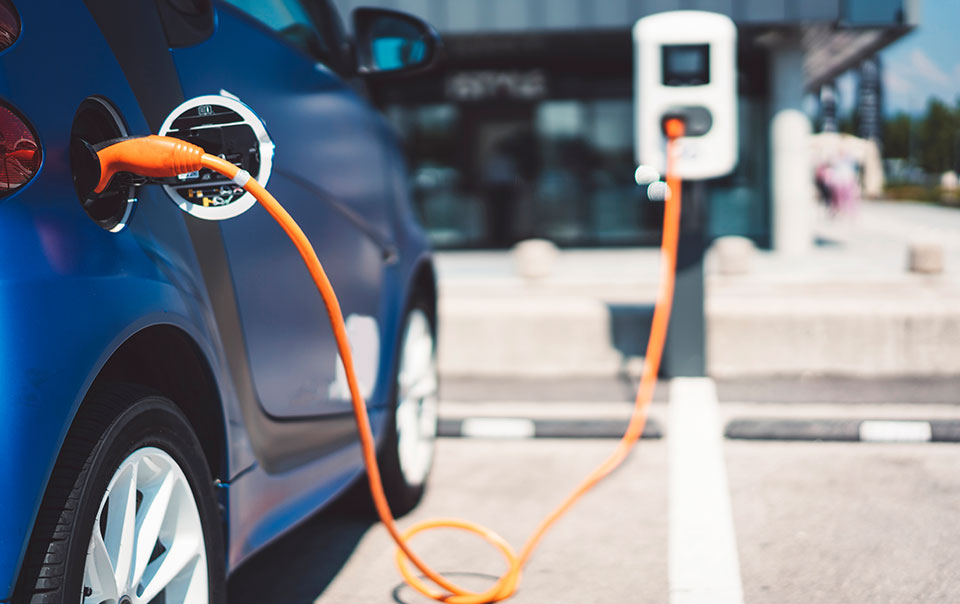
Credit: www.travelers.com
Frequently Asked Questions For "insurance For Electric And Hybrid Cars"
Is Insurance Higher For Electric Vehicles?
Electric vehicles often carry higher insurance premiums than conventional cars. This is typically due to the increased cost of electric car parts and specialized repair labor.
What's The Difference Between Electric And Hybrid Car Insurance?
Insurance for hybrid cars may be less expensive than for purely electric cars. Hybrid vehicles combine petrol or diesel engines with electric batteries, often resulting in lower repair costs compared to fully electric vehicles.
Are There Discounts For Eco-friendly Cars?
Yes, many insurance companies offer discounts for eco-friendly vehicles. They encourage the adoption of environmentally friendly technology by offering incentives like lower premiums for electric and hybrid car owners.
Can I Get Insurance For An Older Electric Car?
You can insure an older electric car, but options may be limited. Premiums might be impacted by the availability of parts and the model's safety record. Always compare quotes to find the best deal.
Conclusion
Understanding insurance options for electric and hybrid vehicles is essential for securing your investment and adhering to legal requirements. Opting for the right policy ensures peace of mind on the road. Ensure you compare rates, and note coverage specifics for comprehensive protection.
Embrace the future of driving by insuring your electric or hybrid car wisely today.
0 Comments